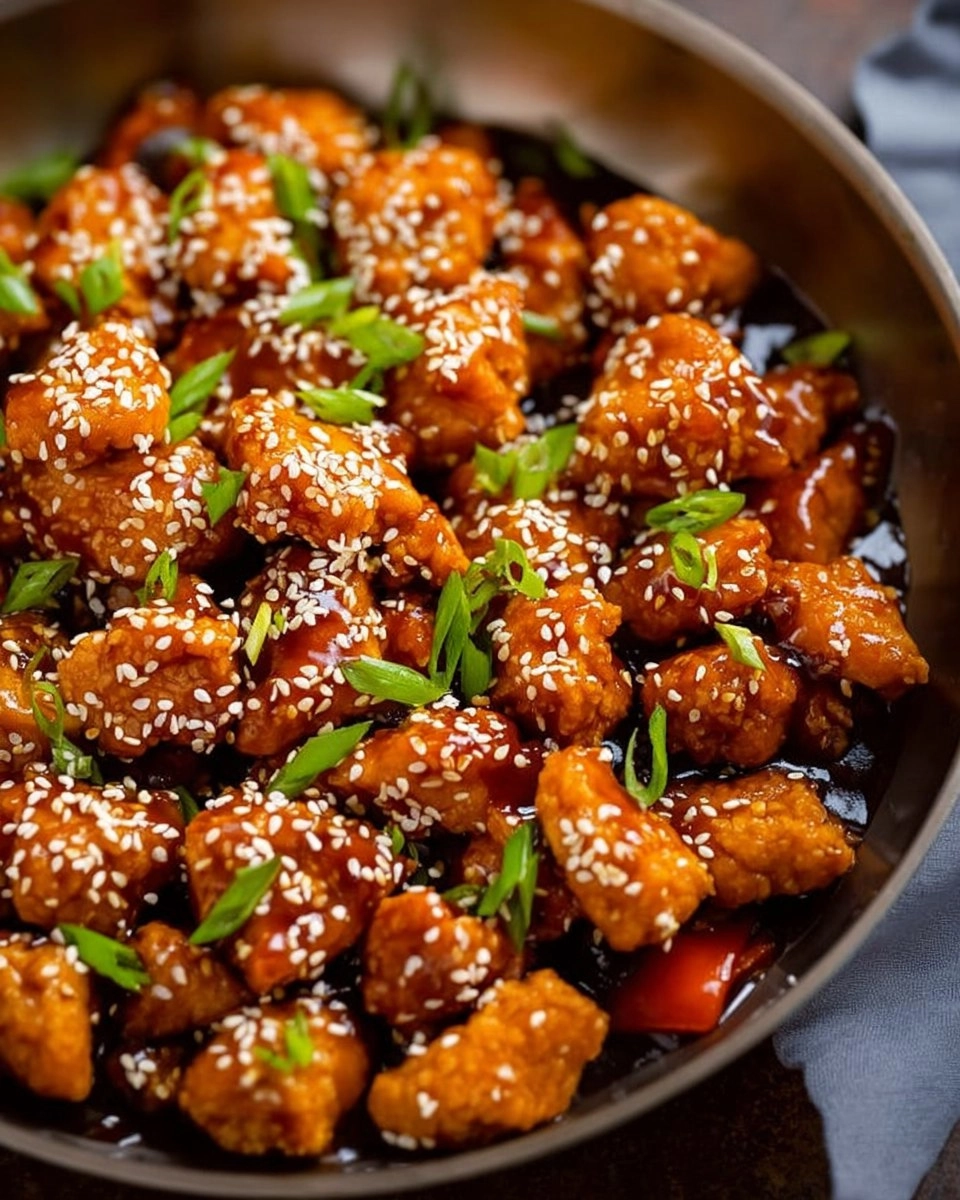
Healthy Sesame Chicken Stir-Fry: Better Than Takeout, Every Time
Craving that irresistible sticky-sweet and savory embrace of sesame chicken, but wincing at the thought of greasy takeout? You're not alone. Many of us adore the vibrant flavors of Asian-inspired cuisine, yet we seek alternatives that nourish our bodies without sacrificing taste. The good news is, you can achieve that perfect balance right in your own kitchen. Imagine a plate piled high with tender chicken coated in a luscious, deeply flavorful sesame glaze, paired with an abundance of crisp, colorful
sesame chicken with stir fried vegetables – all made with wholesome ingredients and none of the guilt. This isn't just a meal; it's a mission to transform your favorite restaurant dish into a healthier, even more satisfying homemade masterpiece.
This article will guide you through creating a homemade sesame chicken stir-fry that not only rivals your go-to takeout but dramatically surpasses it in terms of health, freshness, and customizability. We’ll explore the secrets to a perfectly balanced sauce, perfectly cooked chicken, and an array of vibrant vegetables, ensuring every bite is a burst of flavor and nutrition.
Why Homemade Sesame Chicken Stir-Fry Trumps Takeout
For many, the allure of takeout sesame chicken lies in its convenience and its deeply satisfying combination of sweet, savory, and sometimes spicy notes. However, a closer look often reveals a less appealing truth: heavily breaded and deep-fried chicken, excessive amounts of refined sugar, and often a meager scattering of vegetables. When you opt for a homemade version of
sesame chicken with stir fried vegetables, you gain complete control over every ingredient, transforming a potentially heavy meal into a remarkably light, yet equally fulfilling, dinner.
*
No Deep-Frying, All Flavor: The most significant health upgrade comes from skipping the deep fryer. Instead, bite-sized pieces of chicken are stir-fried until golden and tender, drastically reducing fat and calories while still developing a beautiful exterior that readily absorbs the delicious sauce. This simple swap not only makes the dish healthier but also dramatically shortens cooking time, making it an ideal choice for busy weeknights. For those looking for a specific guide on this method, check out our
No-Fry Sesame Chicken Stir-Fry: Gluten-Free & Paleo Dinner.
*
More Vegetables, More Nutrition: Takeout dishes often skimp on the greens. At home, you can load your stir-fry with a colorful medley of your favorite vegetables, transforming your meal into a nutrient powerhouse. Broccoli florets, vibrant bell peppers, snap peas, carrots, bok choy, mushrooms, and onions all contribute essential vitamins, minerals, and fiber, making each serving a truly balanced plate.
*
Real Food Ingredients, No Refined Sugar: Commercial sauces often rely heavily on high-fructose corn syrup and artificial ingredients. Crafting your own sesame sauce allows you to use natural sweeteners like honey or maple syrup, combined with wholesome elements like tamari (for gluten-free), rice vinegar, fresh ginger, garlic, and toasted sesame oil. This ensures a clean, authentic flavor profile without any hidden nasties.
*
Customizable and Diet-Friendly: Whether you're gluten-free, dairy-free, or following a paleo lifestyle, a homemade stir-fry can be easily adapted. Swap soy sauce for tamari or coconut aminos, and ensure your sweetener aligns with your dietary needs. The flexibility is unparalleled, making this dish suitable for almost any dietary preference.
Crafting the Perfect Sesame Chicken with Stir Fried Vegetables: Key Elements
The magic of this dish lies in the harmonious balance of its three main components: the tender chicken, the vibrant vegetables, and, most importantly, the rich, glossy sesame sauce.
The Star: Tender Chicken
For this stir-fry, boneless, skinless chicken breasts or thighs are ideal. Cut them into uniform, bite-sized pieces to ensure even cooking. While deep-frying is out, a quick marinade (even 15-20 minutes) can elevate the chicken's flavor and tenderness. A simple marinade might include a touch of soy sauce (or alternative), rice vinegar, a hint of sesame oil, and a pinch of cornstarch or arrowroot powder. The starch helps to tenderize the chicken and creates a slight coating that gives the sauce something to cling to beautifully. Stir-frying over medium-high heat ensures the chicken browns nicely without drying out, sealing in its juices.
The Heart: The Signature Sesame Sauce
This is where the dish truly comes alive. The sauce for
sesame chicken with stir fried vegetables is a delicate dance of sweet, savory, umami, and sometimes a hint of spice. The key is to whisk all the sauce ingredients together *before* you start cooking anything else. This ensures a smooth, lump-free consistency and allows you to taste and adjust the flavors before they hit the hot pan.
A typical, irresistible sesame sauce includes:
- Umami Base: Soy sauce, tamari (for gluten-free), or coconut aminos (for paleo).
- Sweetness: Honey, maple syrup, or a touch of brown sugar. Adjust to your preference.
- Aromatics: Freshly grated ginger and minced garlic are non-negotiable for their pungent, warming notes.
- Tang: Rice vinegar adds a crucial bright acidity that cuts through the richness.
- Sesame Essence: Toasted sesame oil provides that characteristic nutty, deeply aromatic sesame flavor. Don't confuse it with regular sesame oil; the "toasted" variety is what you need for that signature aroma.
- Thickener: A slurry of cornstarch or arrowroot powder mixed with a little water is essential for creating that glossy, clingy glaze.
- Optional Heat: For a kick, a dash of Sambal Oelek (a spicy red chile paste with garlic and salt, often found in the Asian aisle) or a pinch of red pepper flakes can transform the flavor profile.
Whisking these ingredients until fully combined, then setting aside, is a crucial step that guarantees a smooth, well-integrated sauce when it's time to add it to the wok or pan.
The Supporting Cast: Vibrant Stir-Fried Vegetables
The beauty of a stir-fry is its versatility with vegetables. Aim for a mix of textures and colors. Harder vegetables like carrots and broccoli florets should be added first to the hot pan, giving them a head start. Softer vegetables such as bell peppers, snap peas, and mushrooms can follow, ensuring they remain crisp-tender and don't turn mushy. Don't be afraid to experiment! Bok choy, green beans, cabbage, and even asparagus can all find a happy home in this delicious stir-fry.
Master Your Stir-Fry: Tips for Success
Creating a truly restaurant-quality
sesame chicken with stir fried vegetables at home is about more than just good ingredients; it's about technique. These tips will help you achieve perfection every time:
- Mise en Place is Your Best Friend: This French culinary term simply means "everything in its place." For stir-frying, it's non-negotiable. Because you're cooking over high heat, things happen very quickly. Have your chicken cut, your vegetables chopped, and your sauce whisked and ready to pour before the first ingredient even touches the pan. This organized approach prevents burning and ensures a smooth, stress-free cooking experience.
- High Heat, Quick Cook: A proper stir-fry relies on high heat to quickly sear the chicken and crisp the vegetables, locking in flavor and nutrients. Don't be afraid to crank up the heat on your wok or large skillet.
- Don't Overcrowd the Pan: This is a common mistake. If you add too much chicken or too many vegetables at once, the temperature of your pan will drop drastically. Instead of searing and stir-frying, you'll end up steaming your ingredients, resulting in a bland, watery texture. Cook in batches if necessary, removing cooked items to a plate before adding the next batch.
- Toast Your Sesame Seeds: This small step makes a big difference. Lightly toasting sesame seeds in a dry pan until golden and fragrant intensifies their nutty flavor and aroma. Set them aside and sprinkle them over the finished dish for an extra layer of taste and a delightful crunch.
- Serving Suggestions: While delicious on its own, this sesame chicken stir-fry truly shines when served over a bed of fluffy steamed rice, brown rice, quinoa, or even rice noodles. For a lighter option, consider cauliflower rice or a vibrant green salad.
- Embrace Customization: This recipe is incredibly adaptable. Don't have broccoli? Use green beans! Prefer more spice? Add extra Sambal Oelek. Experiment with different protein sources like shrimp or tofu. For more quick and easy meal ideas, you might enjoy our Quick Sesame Chicken Stir-Fry Recipe for Weeknight Meals.
Conclusion
Making healthy
sesame chicken with stir fried vegetables at home is a culinary revelation. It offers all the comforting, satisfying flavors you crave from your favorite takeout, but with the added benefits of fresh, wholesome ingredients and complete control over preparation. By skipping the deep-fryer, embracing a bounty of vibrant vegetables, and crafting your own balanced sauce, you can create a meal that is not only incredibly delicious but also genuinely good for you. So next time that takeout craving strikes, resist the urge to dial a number and instead, embark on your own stir-fry adventure. You'll be amazed at how quickly and easily you can whip up a dish that’s truly better than anything you could order in. Your taste buds, and your body, will thank you.